A weekly resource for coaches
by Coach Ashworth
Game Shots: On The Power of Exit Interviews, Delegation for Assistants, and "They Just Tased Ryan"
Happy Wednesday - Make sure you’re taking game shots.
Quote of the Week: “You could've been great today, but you chose tomorrow.”
The Opening Tip
The Power of Exit Interviews
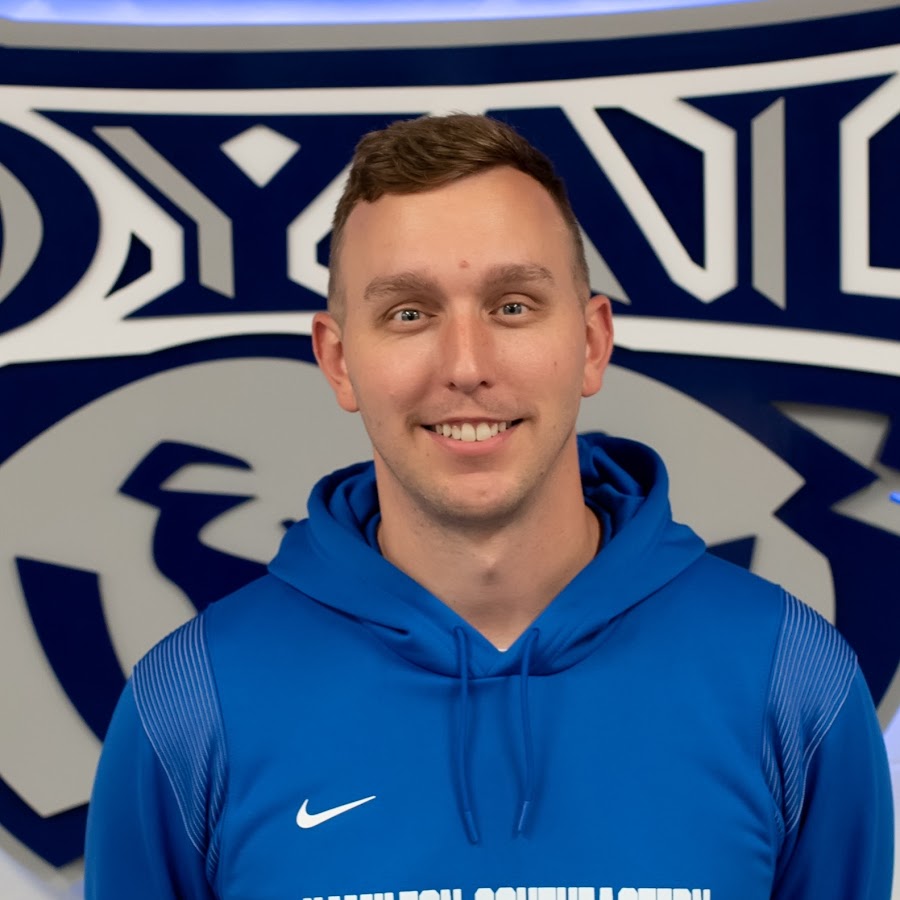
I recently sat down with Coach Matt Hackenberg for a livestream conversation, and we spent a good chunk of time talking about something most coaches either skip entirely or rush through at the end of a season: exit interviews. It's one of those practices that doesn't feel urgent in the moment. I get it…you're tired, the season just ended, and the last thing you want to do is schedule more meetings. But Coach Hack made a compelling case for why this might be one of the most valuable things you do all year.
Exit interviews give you something you can't get any other way: honest, direct feedback from the people who lived inside your program. Not what you think happened during the season, but what your players and staff actually experienced. There's a difference. And that difference often lives in the blind spots we all have as coaches. When you ask thoughtful questions and genuinely listen (not to defend your decisions, but to understand ) you start to see patterns you missed while you were trying to win games and manage personalities.
Coach Hackenberg shared some practical insight on the types of questions that lead to real answers, not just polite ones. He also talked about timing and frequency - when these conversations are most effective and how to create an environment where people feel safe being honest with you. The goal isn't to put yourself on trial. It's to learn, adjust, and build something better together.
I'd encourage you to watch the full conversation when you get a chance. Hopefully you'll walk away with something valuable you can use or an adjustment you can implement with your existing exit interviews you do with you team this offseason.
Watch the full interview here:
Let's talk about it: Do you currently do exit interviews with your players or staff? If so, what's one question you've found that consistently leads to meaningful feedback?
The Huddle
Building Your Coaching Staff: The Foundation of Every Great Program
This is the third part in a five-part series on assistant coaches - the most undervalued and crucial component of successful basketball programs.
Part 3: Delegation Without Losing Control
If you're a young head coach or have a Type A personality, this might be the hardest part of building a great staff. Delegation can feel like you're giving up control, like you're letting someone else mess up something you could do better yourself. I get it. But here's the reframe that changed everything for me: delegation isn't giving up control - it's helping others take ownership, putting people in positions to grow and be at their best, and taking some of the overwhelming workload off your plate so you can focus on what matters most.
Remember When You Were the Assistant
Think back to when you were an assistant coach. Remember how you felt when your head coach gave you real responsibility? When they trusted you to handle scouting reports, or run a specific drill, or manage the JV team? You felt valued. You felt like your contributions mattered. You wanted more opportunities to help the program succeed.
Now imagine if your head coach had micromanaged everything. If they called every single play, made every substitution decision, handled every parent conversation, and never let you truly own any part of the program. How would that have felt? Frustrating. Like your potential was being wasted.
As a head coach, if you don't extend that same opportunity to your assistants, you're creating that same frustration. You're also robbing yourself of their best contributions and burning yourself out trying to handle everything.
Why Delegation Actually Gives You More Control
When you delegate effectively, you gain control over the bigger picture. If you're calling every BLOB play, managing every substitution, and trying to track every defensive rotation, you're mind is on a thousand different things. Delegation allows you to step back and observe - to see things from that 30,000-foot view that separates good coaches from great ones.
During games, delegation prevents decision overload. Instead of having a thousand things running through your head, you can focus on the big decisions that actually determine outcomes. Your assistant handles the BLOB plays, you handle the crucial 4th quarter adjustments. Your assistant tracks foul trouble, you focus on momentum and matchups.
In practice, delegation transforms you from a drill instructor into an observer and teacher. When your assistant is running the defensive shell drill, you can watch for things you'd miss if you were focused on instruction – body language, effort levels, who's encouraging teammates, who's getting frustrated. You see patterns and notice more things that help inform how you coach each player.
Making Your Assistants Feel Valued
Assistants who have ownership over specific roles and tasks feel valued. They're not just clipboard holders - they can showcase their strengths while growing and developing. This ownership creates investment. When it's "their" out-of-bounds package or "their" defensive scout, they're going to prepare better and execute better than if they're just following your every instruction.
For assistants who want to be head coaches eventually, delegation is crucial development. How will they learn to handle parent relationships if you handle every parent conversation alone? How will they understand game management if they never make in-game decisions? You're not just helping them grow, you're preparing a future head coach.
Practical Examples That Work
I used to write down every single task that needs to get done in our program on a weekly basis. Then I would look at what tasks were absolutely necessary the head coach handle or those that I could not delegate. Then I would take the lowest things on the list and give those to team managers (sweeping the floors before practice, setting up the gym, setting up cones for drills, etc.). But everything in between, I would split up by where I thought each assistant coach’s strengths best fit. It’s even beneficial in preseason meetings to show the list to your assistant coaches and see if anyone wants to volunteer for anything. (You’d be surprised how many coaches like doing the laundry and washing jerseys, or who has a creative side and likes making newsletters to go home to parents. Offer up those tasks even before you delegate).
The Safety Net Approach
Now, I’m not saying hand over your entire program to assistants and hope for the best. Be smart about it. Start small with delegation. Give an assistant ownership over something low-stakes first. Maybe managing warm-up routines or organizing film sessions. As they prove reliable, expand their responsibilities. Always maintain the ability to step back in when needed, but resist the urge to micromanage unless there's a real problem.
The key is clear communication about expectations and boundaries. Your assistants need to know: What decisions can they make independently? When should they check with you? What's the protocol if something goes wrong?
Questions for Reflection:
What's one area you could delegate this week that would free you up to focus on bigger-picture coaching?
Which of your assistants is ready for more ownership, and what specific area could they take on?
When you were an assistant, what responsibility did you want most that you never received?
Next week: Using assistants effectively during games – maximizing your coaching staff.
The Scouting Report
The Scouting Report is your weekly dose of resources that can help your coaching. Plays of the Week, videos, drills, etc. What’s the old joke? The best coaches are just the best thieves?
Plays of the Week:
UCONN - Diamond Post

Duke - Flare Pin

Shared Resources
Conducting Time Outs:
Crazy Parent of the Week: “They just tased Ryan”
We’ve all gotten that one message from a parent that makes you pause, blink twice, and say… “Did they really just send that?”
If you’ve got a funny, confusing, or just plain wild message sitting in your inbox, send it in to [email protected]. We’ll feature the best ones anonymously - names and personal info will be removed.
Let’s remind each other we’re not alone in this coaching journey.
That’s a wrap on Episode 28 of Game Shots. Thank you for subscribing.
My mission has always been, and will always be, to support coaches around the world who love the game and want to keep getting better.