A weekly resource for coaches
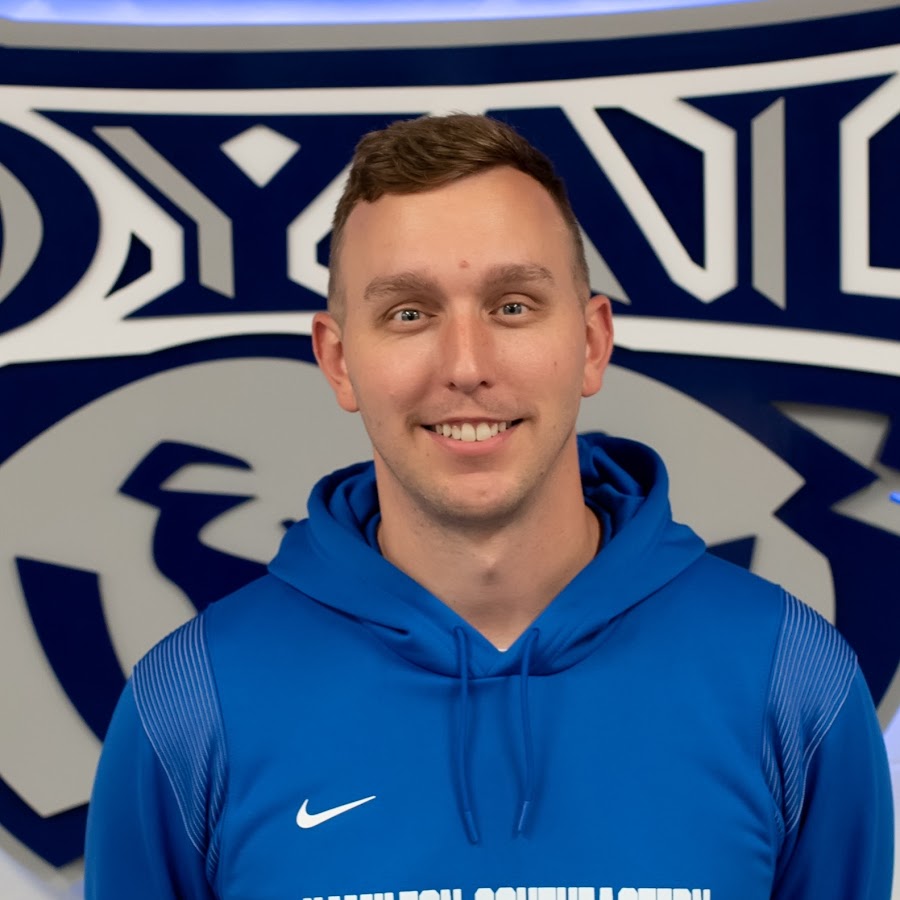
by Coach Ashworth
Game Shots: On How Fast a Coach’s Perception Can Change, Decision Makers, and Hawaii’s No Help Defense
Happy Wednesday - Make sure you’re taking game shots.
Quote of the Week: In honor of President’s Day: “It’s amazing what you can accomplish if you don’t care who gets the credit.”
The Opening Tip
From Hero to Zero (And Back Again): How Fast a Coach's Perception Can Change

Jerome Tang was fired from Kansas State this week. If you missed it, here's the short version: Tang took K-State to the Elite 8 in his first season, winning 26 games. It was the best season in the past decade. Three years later, he was sitting at 1-11 in Big 12 play, students are wearing bags on their heads, and after a viral postgame rant where he said his players didn't deserve to wear the uniform, the university fired him “for cause”. There's nearly $19 million still on his contract that he’s fighting for.
Think about that timeline for a second. In the span of three seasons, this man went from program savior - a guy who'd just delivered one of the best years in Kansas State basketball history - to being escorted out the door. The same fans who were chanting his name after that Elite Eight run and doing the viral pre-game clapping song were putting bags over their heads.
This isn't unique to Jerome Tang. This is coaching.
If you've been in this profession long enough, you've either experienced it yourself or watched it happen to someone you respect. One year you're the answer. The next year you're the problem. The margin between those two things is razor thin, and it rarely has anything to do with how much you actually know about basketball. Perception shifts fast. A couple of bad breaks, a tough stretch of schedule - and suddenly the same community that was building you up is ready to move on.
And it's not just college. It happens at the high school level too. Maybe the booster club president's kid isn't getting enough minutes. Maybe a few parents start talking in the parking lot after a tough loss. Before you know it, there's a narrative forming that has very little to do with what's actually happening in your program. I've seen really good coaches lose their jobs, not because they couldn't coach, but because the winds shifted.
Here's what I want every coach reading this to remember: being pushed out does not mean you can't coach.
Bill Belichick was fired by the Cleveland Browns. Tony Dungy was fired by the Tampa Bay Buccaneers - the same franchise that won a Super Bowl the very next year with his roster and his culture. Frank Vogel was let go by both the Indiana Pacers and the Orlando Magic before winning an NBA championship with the Lakers. The list goes on and on. Being let go from one place doesn't define your coaching career. Sometimes it redirects it.
But here's the flip side, and I think this is just as important.
There are legendary coaches who started off looking like they might not make it. Coach K went 38-47 in his first three years at Duke. Think about that…one of the greatest college basketball coaches of all time had a losing record through year three. One of his former players later recalled that people were openly questioning why Duke hired "the 9-17 guy from Army." If that hire happened in 2026, he might not have survived long enough to build what he built. Jay Wright was 52-46 in his first three seasons at Villanova and missed the NCAA Tournament all three years. He went on to win two national championships and land in the Hall of Fame. And John Wooden? The Wizard of Westwood didn't win his first national title at UCLA until his sixteenth season. Sixteen years of building before the dynasty started. Then he won ten titles in twelve years.
The point isn't that every struggling coach is one breakthrough away from becoming Coach K. The point is that perception - from fans, from administrators, from parents, from your own community - is not the full picture. It never has been. One strong year can change everything. One bad year can erase years of good work. Neither version is the complete truth about who you are as a coach.
If you're in a tough season right now, if the perception around your program has shifted and you can feel it, I get it. That's a lonely, frustrating place to be. But don't let a bad stretch convince you that you don't belong in this profession. Keep building. Keep coaching. The narrative can change just as fast in the other direction. All it takes is one really solid year to get people believing again.
And if you've been let go? That's not the end of your story. It might just be the start of a better chapter somewhere else.
The Huddle
Offense Simplified - The Decision Makers
The longer I coach, the more I realize that offense is pretty simple.
Truth #1 - create an advantage, keep the advantage.
Truth #2 - great offensive players are great decision makers.
There's a player on every roster you've coached who has every physical tool you could ask for. Athleticism, length, quickness. And yet, something keeps them from reaching their potential. It's not effort. It's not desire. It's that split second between reading the game and reacting to it. The decision.
Decision making is the great equalizer in basketball. It can lift an average athlete into a reliable, effective player, and it can quietly bury a gifted one.
But what do you do when you see a player hesitating to make the right decision?Hesitation doesn't fix itself. Players don't just "figure it out" through reps of comfortable drills. If we want players who make quicker, smarter decisions in big moments, against good teams, in tight games, we have to create environments in practice that demand those decisions constantly and at game speed. Slow practices can create slow thinkers.
That means designing drills that force the issue. Defensive drills that require communication and adjustment on the fly. Competitive situations where the right read is the only way to get a good shot. When you put players in situations where they have to process and respond quickly, you're building a decision-making habit that shows up when the game is on the line.
One of the concepts I come back to consistently is teaching players how to play with an advantage. When your offense creates a numbers situation - whether it's off a turnover, a defensive breakdown, or good movement - you need players who know how to finish the play. A 2-on-1 advantage means nothing if the ball handler hesitates, the trailer is late to their spot, or nobody attacks the open gap. Great offenses don't just create advantages. They exploit them.
To work on exactly this, here is one of my favorite drills that forces quick reactions. What I love about it is that it removes the option to go slow. The structure of the drill forces the player with the ball to make a read immediately. It's quick, it's efficient, and it exposes the players who are still thinking when they should already be acting. Another thing I love about it is that it forces the defense into a disadvantage - where the player has to make a quick reaction to try to stop the offense. If they hesitate, they get scored on easily.
Drills like this can get players to stop waiting to see what happens and start anticipating. They read the defense earlier. They make the simple play instead of complicating it. And that carries over - to your half-court sets, to your transition offense, and especially when your team faces a trapping press or is under pressure.
Better decision makers make better offenses. It really is that straightforward. The team that reads the game fastest, reacts without hesitation, and capitalizes on the small windows a defense gives them is harder to guard, harder to prepare for, and harder to beat.
So the question for this week is simple: Are your drills actually challenging your players to think? I'd love to hear what you're doing in practice to develop decision makers.
The Scouting Report
The Scouting Report is your weekly dose of resources that can help your coaching. Plays of the Week, videos, drills, etc. What’s the old joke? The best coaches are just the best thieves?
Plays of the Week:
Iowa State - Screen the Screener

1-4 High-Post Curl

Shared Resources
Hawaii’s Defense Breakdown:
Crazy Parents of the Week:
We’ve all gotten that one message from a parent that makes you pause, blink twice, and say… “Did they really just send that?”
If you’ve got a funny, confusing, or just plain wild message sitting in your inbox, send it in to [email protected]. We’ll feature the best ones anonymously - names and personal info will be removed.
Let’s remind each other we’re not alone in this coaching journey.
That’s a wrap on Episode 31 of Game Shots. Thank you for subscribing.
My mission has always been, and will always be, to support coaches around the world who love the game and want to keep getting better.